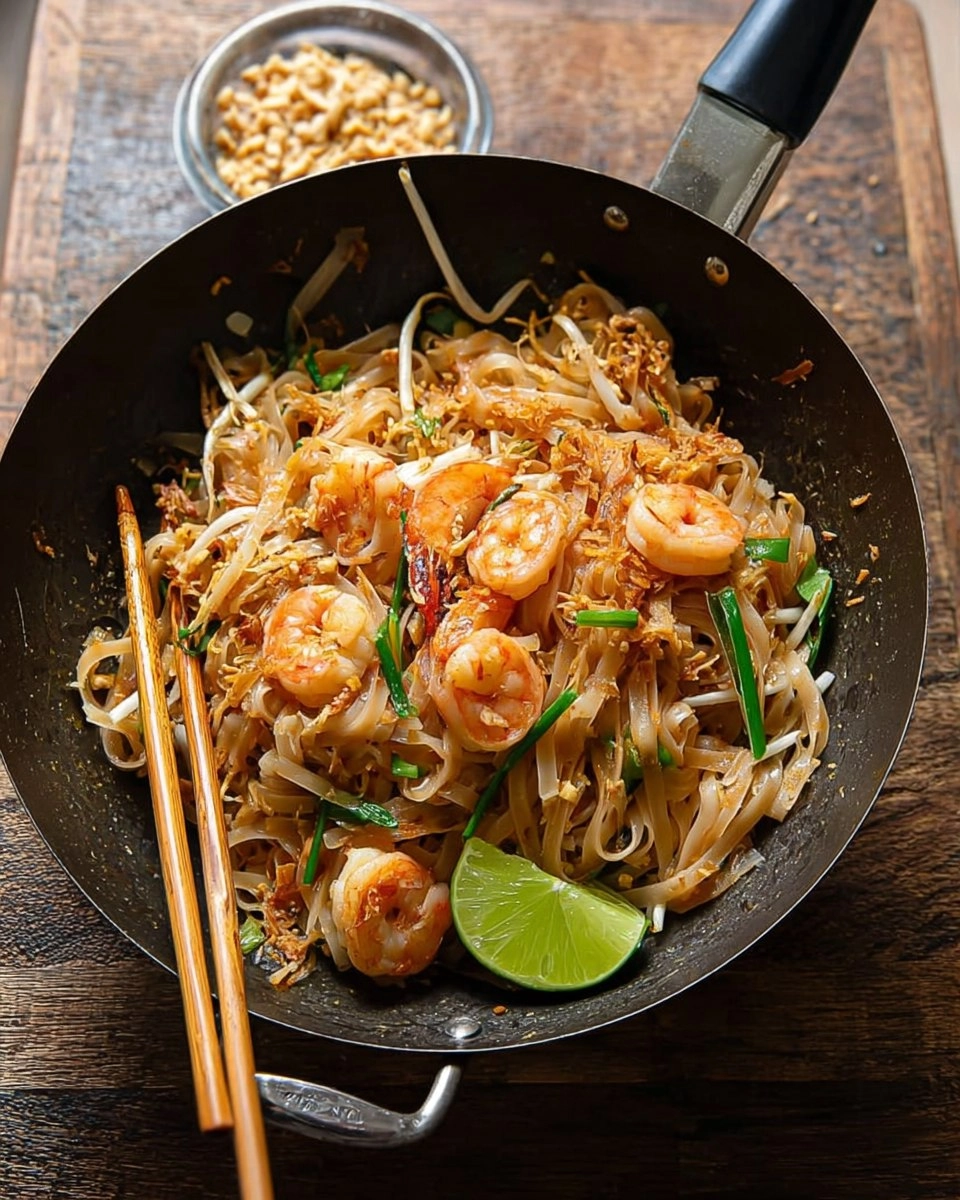
Shrimp Pad Thai

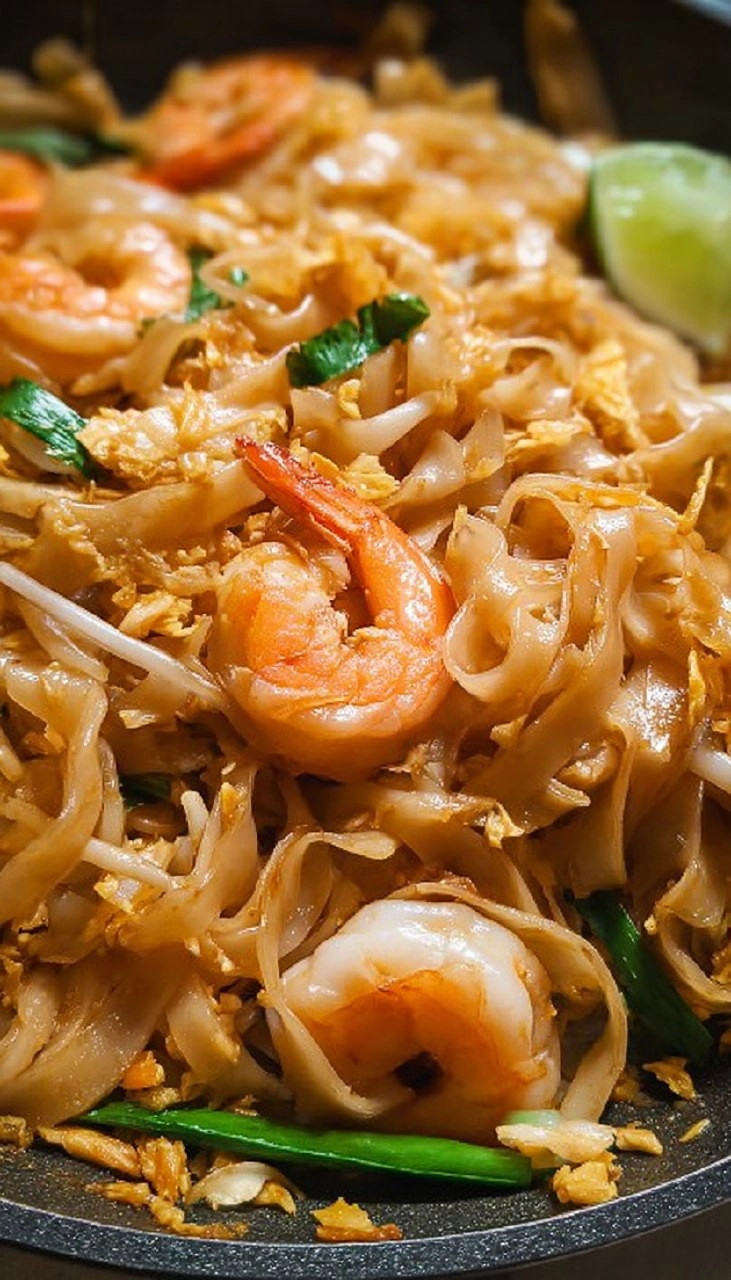
When it comes to comfort food that also delivers a punch of flavor, few dishes compare to Shrimp Pad Thai. This iconic Thai street food combines chewy, flat rice noodles with perfectly cooked shrimp, crunchy bean sprouts, and a symphony of flavors that tantalize your taste buds. The combination of tamarind, fish sauce, and sugar creates that signature balance of sweet, sour, and savory, making each bite an absolute joy. It’s not just a meal—it’s an experience that transports you straight to the bustling streets of Thailand.
Table of Contents
I first fell in love with Shrimp Pad Thai during a spontaneous dinner at a local Thai restaurant. The moment I took that first bite, a burst of flavors filled my mouth, and I knew I had to recreate that magic at home. Thankfully, this recipe is not only easy and quick to whip up, but it also makes for an impressive dish for gatherings or a comforting weeknight dinner. So, gather your ingredients, and let’s embark on this delicious journey together!
Why You’ll Love This Recipe
- Simple & Quick: Whip up this delightful dish in just 30 minutes—perfect for busy weeknights.
- Irresistible Flavor: The combination of tamarind and fish sauce provides a unique flavor that’s both tangy and savory.
- Eye-Catching Appeal: Vibrant colors from the veggies and herbs make this dish as visually appealing as it is tasty.
- Flexible Serving: Perfect for game nights, dinner parties, or even as a fun lunch option.
- Diet-Friendly Options: Easily adaptable for gluten-free diets with rice noodles.
Ingredients You’ll Need
- 200g / 7oz flat rice noodles: They provide the perfect chewy texture that’s characteristic of Pad Thai. Look for wide rice noodles for the best results.
- 300g / 11oz large shrimp (prawns): Fresh or thawed shrimp is ideal here. Avoid pre-cooked shrimp, as they won’t pick up the flavors.
- 2½ tbsp tamarind purée (not sauce!): This ingredient offers a unique tangy flavor. If not available, you can substitute with lime juice, though the taste will differ slightly.
- 3 tbsp fish sauce: Adds depth and umami. If you’re looking for a vegetarian alternative, soy sauce can be used, but the flavor will change.
- 3 tbsp light brown sugar (or palm sugar): It sweetens the dish and balances the sour and salty notes. Feel free to use coconut sugar for a slightly different flavor.
- 2 tbsp vegetable oil (divided): Essential for frying the ingredients. Use neutral oil to prevent any overpowering flavors.
- 1 shallot: Adds a mild sweetness; however, onion can be used in a pinch.
- 3 cloves garlic: Fresh garlic brings a fragrant aroma and depth to the dish.
- Chilli flakes (to taste, I used 1 tsp): Adjust based on your spice tolerance for that extra kick.
- 4 green onions (green parts only, cut into 2-inch lengths): They provide freshness and a slight crunch.
- 2 eggs (lightly beaten): For an additional protein boost and creaminess when mixed through the noodles.
- 200g / 2 cups beansprouts: Adds a crispy texture, essential in a classic Pad Thai.
- 35g / 1/4 cup roasted peanuts (chopped): For crunchy texture and nuttiness that complements the dish.
- 1 lime: Freshly squeezed lime juice brightens the flavors and adds zest.
How to Make Shrimp Pad Thai
- Soak the Noodles: Start by soaking the flat rice noodles in warm water for about 10-15 minutes or until they’re softened, following the package instructions. Drain and set aside.
- Prepare the Sauce: In a small bowl, mix together the tamarind purée, fish sauce, and light brown sugar. Stir until the sugar is fully dissolved—this will be your flavorful sauce.
- Cook the Shrimp: In a large skillet or wok, heat 1 tablespoon of vegetable oil over medium-high heat. Add the shrimp and cook for 2-3 minutes, or until they’re pink and opaque. Remove the shrimp from the pan and set aside.
- Sauté Aromatics: In the same pan, add another tablespoon of vegetable oil. Toss in the sliced shallot and minced garlic, sautéing until fragrant, about 1-2 minutes.
- Add the Noodles: Stir in the soaked rice noodles and the prepared sauce. Toss everything together to ensure the noodles are well coated. Cook for 3-4 minutes until noodles absorb the flavors.
- Incorporate Eggs: Push the noodles to one side of the pan. Pour in the beaten eggs on the other side, scrambling them until just set. Then, mix everything together thoroughly.
- Add the Vegetables: Fold in the cooked shrimp, bean sprouts, and green onions, cooking for an additional 2 minutes or until the sprouts are just tender.
- Finish and Serve: Remove from heat, transfer the Pad Thai to serving plates, and sprinkle with chopped peanuts. Squeeze fresh lime juice over the top for extra zing.
Storing & Reheating
If you happen to have leftovers, you can store Shrimp Pad Thai in an airtight container in the fridge for up to 3 days. For longer storage, it freezes well in a sealed container for up to 3 months. When you’re ready to enjoy, simply reheat in a skillet over low heat for about 5-7 minutes or until warmed through. Just a splash of water can help refresh the dish, keeping the noodles moist.
Chef’s Helpful Tips
- Avoid overcooking the shrimp—remove them from the heat as soon as they turn pink to prevent a rubbery texture.
- Make sure your ingredients are prepped before you start cooking, as the process moves quickly.
- Feel free to add in your favorite veggies, such as bell peppers or carrots, for a colorful twist.
- Adjust the sweetness of the dish by varying the sugar—taste as you go!
- For a higher protein content, consider adding tofu alongside the shrimp.
Shrimp Pad Thai truly encapsulates the vibrant flavors of Thai cuisine. With its delightful blend of textures and aromas, it’s a dish that speaks to the heart and soul of food lovers everywhere. And the best part? It’s just as delicious made at home as it is from your favorite takeout spot.
Recipe FAQs
Can I make Shrimp Pad Thai ahead of time?
Absolutely! You can prepare the ingredients a day ahead and store them separately in the fridge. Cooking can be done swiftly when you’re ready to eat, ensuring fresh flavors.
What can I use if I’m allergic to shrimp?
You can substitute shrimp with chicken, tofu, or even a medley of vegetables. Adjust cooking times accordingly to ensure everything is cooked through.
Can I make this dish vegan?
Yes! Use tofu instead of shrimp and substitute fish sauce with soy sauce or a vegan-friendly fish sauce alternative. You can leave out the eggs and add in more veggies to keep it hearty and satisfying.
Why does my Pad Thai taste bland?
If your dish lacks flavor, it may need more tamarind and fish sauce. Each ingredient contributes to the overall flavor profile, so don’t hesitate to adjust until it’s perfect for your taste buds!
PrintMore Main Dishes Recipes
Did You Enjoy Making This Recipe? Please rate this recipe with ⭐⭐⭐⭐⭐ or leave a comment.
📖 Recipe Card
Shrimp Pad Thai
- Prep Time: 15 minutes
- Cook Time: 15 minutes
- Total Time: 30 minutes
- Yield: 4 servings 1x
- Category: Main Dishes
- Method: Stir Fry
- Cuisine: Thai
Description
This Shrimp Pad Thai is packed with irresistible flavors and simple prep. Perfect for a quick dinner or a healthy meal, it’s a comforting dish everyone will love!
Ingredients
- 200g / 7oz flat rice noodles
- 300g / 11oz large shrimp (prawns)
- 2½ tbsp tamarind purée (not sauce!)
- 3 tbsp fish sauce
- 3 tbsp light brown sugar (or palm sugar)
- 2 tbsp vegetable oil (divided)
- 1 shallot
- 3 cloves garlic
- chilli flakes (to taste, I used 1 tsp)
- 4 green onions (green parts only, cut into 2 inch length)
- 2 eggs (lightly beaten)
- 200g / 2 cups beansprouts
- 35g / 1/4 cup roasted peanuts (chopped)
- 1 lime
Instructions
- Soak the rice noodles in hot water for 30-40 minutes until mostly softened. Mix the tamarind purée, fish sauce, and light brown sugar, then set aside for the sugar to dissolve.
- In a large wok, heat 1 tbsp of vegetable oil and cook the shrimp until pink on both sides. Remove from the pan and set aside.
- Add the remaining oil to the wok, then add the chopped shallot, minced garlic, and chilli flakes. Stir fry for 1 minute before adding the drained noodles and some clingy water, along with the sauce. Cook for 1-2 minutes until the noodles are soft but slightly chewy.
- Move the noodles to one side of the wok, crack in the eggs, and allow them to cook for 30 seconds. Pile the noodles on top and cook for a few seconds more until the eggs set, then toss to combine.
- Introduce the bean sprouts, green onions, cooked shrimp, and half of the peanuts. Toss until the onions are slightly wilted and the bean sprouts remain crunchy. Remove from heat and serve with lime wedges and the remaining peanuts.
Notes
Adjust the amount of chilli flakes to control the heat level according to your taste.
For a more authentic flavor, use palm sugar instead of brown sugar if available.
Serve immediately for the best texture as the noodles may become soggy if left too long.
Nutrition
- Serving Size: 1 serving
- Calories: 484
- Sugar: 10g
- Sodium: 1390mg
- Fat: 18g
- Saturated Fat: 3g
- Unsaturated Fat: 12g
- Trans Fat: 0g
- Carbohydrates: 56g
- Fiber: 4g
- Protein: 26g
- Cholesterol: 186mg